
Overall goal
At AI-HAPP, a transdisciplinary team from computer and data sciences; biological and medical sciences; environmental science and engineering; social and economic sciences; and law, will work synergistically on the grand challenge of socio-technical design of nation-wide digital infrastructure for early and accurate pandemic prediction, prevention, and preparation at personal and population levels.
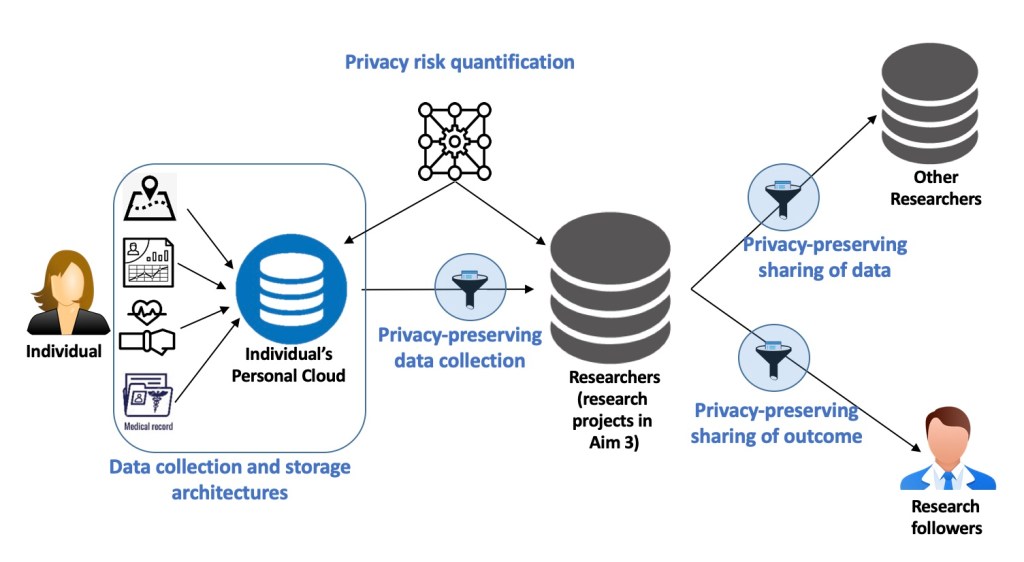
Privacy-preserving and inclusive infrastructure
The goal of this project is to create a prototype of a global privacy-preserving autonomous, inclusive and distributed infrastructure (PAID) using personal clouds.
Investigators
Ayday, Yoo, Chaudhary, J Li

Early detection
The goal of this project is to detect new emerging infectious diseases early by incorporating multi-stream data sources from individual to population levels.
Investigators
X Li, J Li, Curtis, Rose, Nock

Transmission modeling, hotspot detection, and mitigation
Mathematical models provide a quantitative basis for planning appropriate measures to track, predict, contain and mitigate a contagious infection. Near-real time monitoring and response analytics are key to understanding daily disease diffusion characteristics. The goal of this project is to develop modeling platforms, spatial data infrastructure, and smart technologies for mitigation strategies.
Investigators
Gurarie, Curtis, Yu, Calvetti, Somersalo, Huang, Rose, Nock
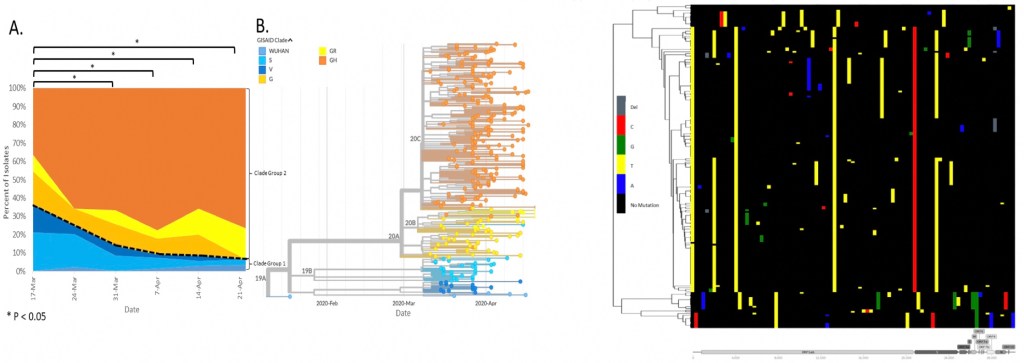
Surveillance through sequencing, contact tracing and sewer monitoring
When pathogens already start to spread, robust surveillance systems are essential to monitor spreading patterns and emergence of new strains, to notify individuals with close contact with infected people, and to provide necessary data based on which government entities and organizations can create their policies and guidelines. We work on different approaches and collect data at different levels to build a robust and privacy preserving surveillance system.
Investigators
J Li, Esper, Ayday, Yoo, Zimmerman, Curtis
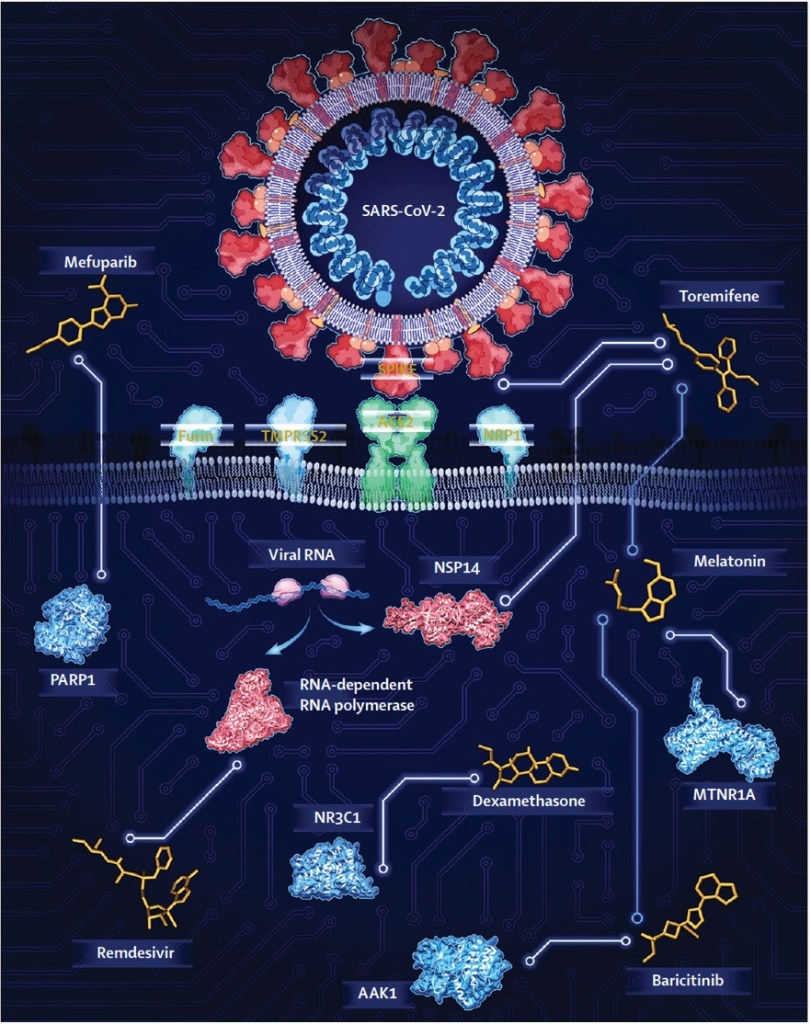
Drug repositioning for newly emerging diseases caused by pathogens
Drug repositioning, also known as drug repurposing, aiming to identify new indications for existing drugs, is particularly important for emerging diseases such as COVID-19 where no known effective treatments were available initially. Studies of drug repositioning are a necessary step in preparing for emerging diseases caused by pathogens.
Investigators
Cheng, J Li
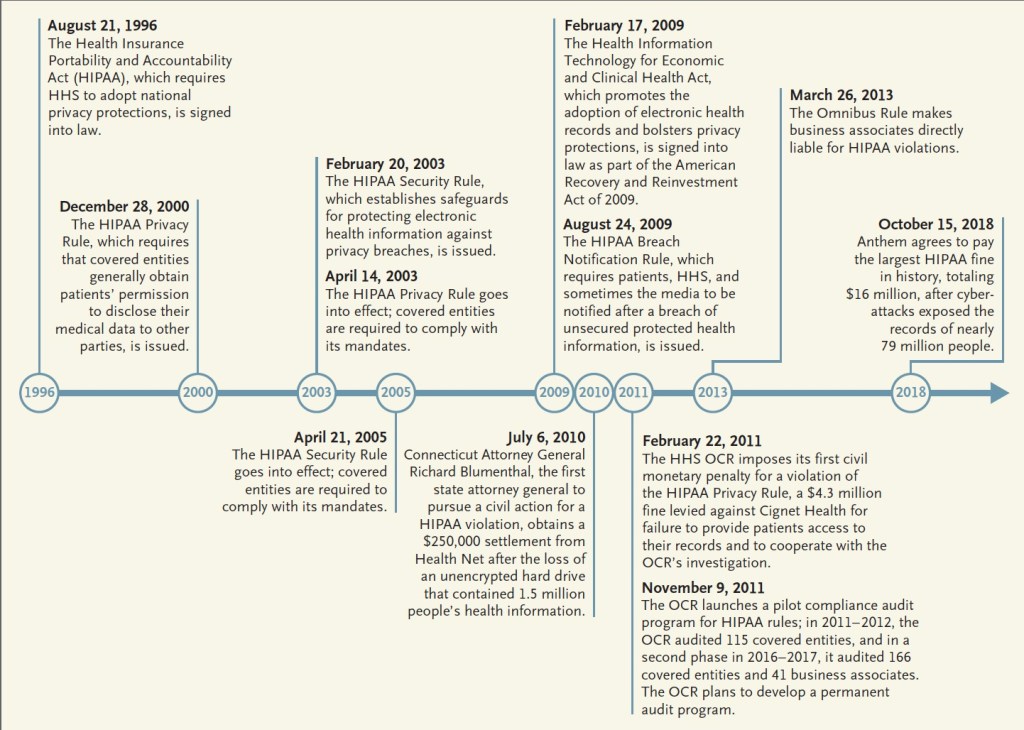
Privacy protection and inclusion
In all of our projects, it will be important to ensure and facilitate compliance with privacy and anti-discrimination laws. It is also important to be as inclusive as possible in collecting data and to remain sensitive to the limitations and needs of multiple vulnerable populations. Our legal experts will analyze and apply relevant privacy, anti-discrimination, and emergency preparedness laws and various state public health statutes.
Investigators
Hoffman, Ray, Ayday
Recent Publications and Presentations
S. Hoffman & A. Podgurski, “The Patient’s Voice: Legal Implications of Patient-Reported Outcome Measures,” 22 Yale Journal of Health Policy, Law, and Ethics.
M Bai and J Li. Lung Cancer and COVID-19 Susceptibility and Severity: A Mendelian Randomization Analysis. doi.org/10.21203/rs.3.rs-3829798/v1
D. Demirag, J. Clark, and E. Ayday (2022). Privacy-Preserving Collaborative Link Prediction. In Proceedings of Data Privacy
Management (DPM) International Workshop (in conjunction with ESORICS).
R. Tatton, E. Ayday, Y. Yoo, and A. Halimi, (2022). ShareTrace: Contact Tracing with the Actor Model. In Proceedings of IEEE
Healthcom.
Calvetti D and Somersalo E (). Post-pandemic modeling of COVID-19: Waning immunity determines recurrence
frequency.. PrePrint MedXiv doi.org/10.1101/2023.01.16.23284640.
 AI-HAPP